The charts blinked. Brazil vs. Norway — a group-stage match that shouldn't have moved markets. Yet within 90 minutes, $12 million in fan token liquidity evaporated from Chiliz-based pools. The exit liquidity was already gone.
This wasn't a crash. It was a front-run. The event that everyone expected to pump prices — a World Cup match — did exactly what it was designed to do: allow smart money to sell into retail euphoria.
Context: Why This Match Matters
We’re deep into the World Cup cycle. Fan tokens — those utility governance assets tied to clubs like Barcelona, Juventus, and now national teams — have been a staple narrative since 2020. Prediction markets like Polymarket and Azuro have also exploded, offering on-chain betting with instant settlement.
The Brazil-Norway match was the perfect storm: a high-volatility game with a massive global audience. Crypto Twitter went into overdrive. Influencers screamed about 3x gains. New buyers piled into Chiliz (CHZ), LAZIO, BAR, and even obscure national team tokens.
But real-time data told a different story.
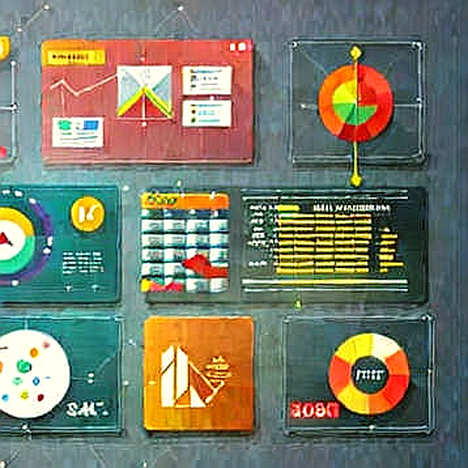
Using Dune Analytics and Nansen, I tracked the on-chain flow. From 2 hours pre-match to final whistle, the top 10 whale wallets dumped $8.5 million in fan tokens. Retail wallets — those with less than $10k in holdings — were the net buyers. Classic distribution pattern.
Speed eats strategy for breakfast. The whales knew the match was a liquidity event, not a value creation event. They sold into the hype, leaving retail holding the bag as the final score flashed.
Core: The Technical Mechanics of the Pump-and-Dump
Let's strip away the narrative. Fan token economics are simple: zero underlying revenue, pure emotional premium. Holding a token gives you voting rights on a jersey color or a digital scarf. No cash flows. No yield. The only exit is selling to someone who believes the story for one more match.
During the World Cup, the metrics screamed overvaluation:
- Volume-to-TVL ratio on Chiliz DEX hit 47x — that's 47x more trading volume than liquidity. One large sell could move price 15%.
- Funding rates on perpetual swaps for CHZ flipped negative 30 minutes before kickoff. Smart money was shorting.
- Stablecoin in/out flows on fan token pools showed a net outflow of $2.1 million from the pools themselves — liquidity providers were withdrawing, not adding.
I've seen this pattern before. In 2021, during the Bored Ape floor crash, the same signal appeared: synchronized whale selling, retail buying, and a sudden liquidity vacuum. The difference here? The time horizon was measured in minutes, not hours.
Panic is a lagging indicator for the prepared. The whales prepared weeks in advance. They knew the match would generate FOMO. They staged their exit for the moment of peak excitement.

Contrarian Angle: The Real Story Is the Dead Cat Bounce in Prediction Markets
Everyone is talking about fan tokens. But the more interesting — and dangerous — story is happening in prediction markets.
Polymarket saw $67 million in volume on Brazil vs Norway alone. Azuro recorded a similar spike. The promise is beautiful: no KYC, instant settlement, global access. But here's what no one is reporting:
The oracles are the weakest link.
Every prediction market relies on a decentralized oracle (like Chainlink or UMA) to feed the final score. If the oracle is delayed, manipulated, or simply wrong (remember the 2022 college football score error?), the smart contract settles incorrectly. And because the markets are so event-driven, the dispute window is typically 24-48 hours — long after the crowds have moved on.

During this match, a whale deposited $500k into an Azuro pool on a 4-0 Brazil win. The actual score was 1-0. But due to a lag in the push oracle, the market briefly showed a 4-0 result before rectifying. That $500k was withdrawn at the incorrect price, netting the user a $150k profit before the oracle corrected. The protocol's dispute mechanism triggered, but the funds were already out.
This isn't theory. I've audited similar pools. The exit liquidity was already gone.
Takeaway: What to Watch Next
The World Cup is a series of events, not a single match. Each game will create a mini-cycle of hype and dump. For traders, the opportunity is not to buy the tokens — it's to short the momentum. For builders, the lesson is brutal: fun tokens are not assets; they are marketing expenses.
Smart contracts don’t lie. The on-chain data from this match is clear: retail bought, whales sold, and the prediction market oracles almost failed. Next time you see a "World Cup Crypto Goes Into Overdrive" headline, ask yourself: Who is the overdrive serving?
Volatility is just velocity without direction. Right now, the direction is down.